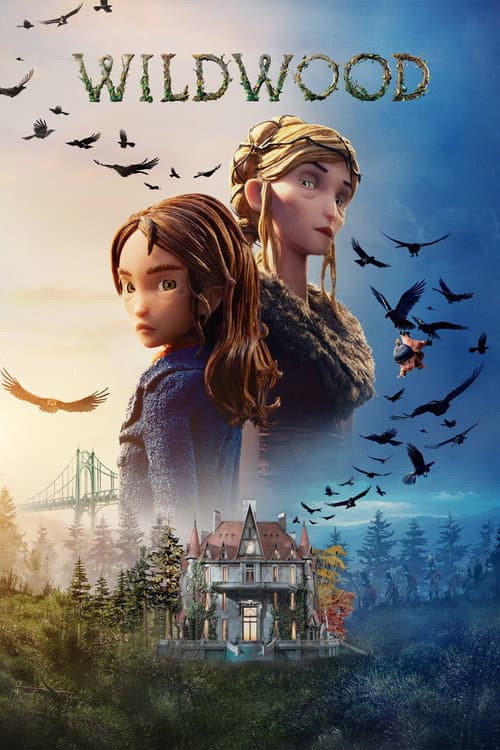
On episode 8, Jeff reviewed Wildwood solo after Matt's screening fell through on scheduling. It's not for lack of trying to get Matt there: Jeff had been hyping the trailer for weeks, surprised a production this massive wasn't getting more buzz going in.
The craft is the headline. Laika, the studio behind Coraline, Missing Link, Kubo and the Two Strings, and The Boxtrolls, built Wildwood with 136 hand-built sets and 231 puppets, no CGI, including a battle sequence Jeff said involved hundreds or thousands of puppets moving on screen at once. Travis Knight, son of Nike founder Phil Knight, directs. Jeff called it a flat-out masterpiece of stop-motion animation, the kind of thing that earns a Rotten Tomatoes score in the high nineties almost on artistry alone.
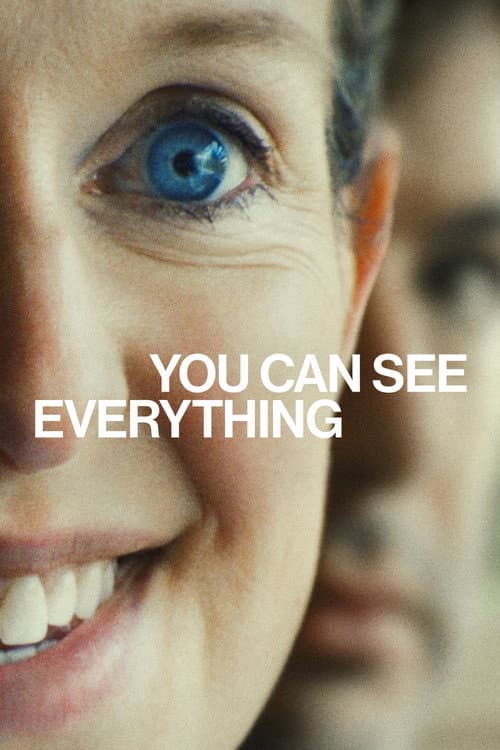
What it didn't earn was an audience. On a reported $100 million budget, it opened to around $11.6 million, and even lost its own weekend at the box office to You Can See Everything, which pulled in $15 million from a fraction of the theaters. Jeff doesn't think it's a marketing problem so much as a story problem.
Wildwood is adapted from Colin Meloy's 2011 novel: a Portland girl's baby brother is abducted by a witch, and she heads into the woods to get him back, tangling with warring factions along the way. Jeff kept landing on the same comparison: it has a Narnia shape without a Narnia pull. He was torn between a four and a four and a half, and settled on four out of five, saying the story just didn't grab him the way a Narnia tale would have. He also found nearly every shot so densely packed with sets and characters that it became a kind of sensory overload by the two-hour-fifteen-minute mark, a contrast he drew to the stiller, more restrained compositions in Hamnet.
Matt, sight unseen, pushed on the bigger question: why does a studio with this much visual talent keep gambling its budgets on original stories instead of adapting something people already love, Narnia, Lord of the Rings, The Hobbit? Jeff didn't have a clean answer, other than to note Wildwood's source novel was genuinely popular in its own moment, fifteen years ago, when its original readers were twelve. Whether that's recent enough to pull a built-in audience into theaters now is its own open question.
On the family-movie-night front, Jeff flagged two specifics worth knowing before bringing an eleven-year-old: a robot character's self-destruction, which brushes up against suicide without dwelling on it, and one scene of non-sexual robot nudity that got a laugh out of the theater. Otherwise, he called it safe for most families, PG-13 rating aside.
Despite the criticisms, Jeff's recommendation stood: go see it for the artistry alone, even if, like him, you walk out more impressed than moved.